Why do we need to escape Earth?
Beyond the Blue Marble: Why Humanity Must Escape Earth’s Horizon
"Extinction is the rule. Survival is the exception." — Carl Sagan
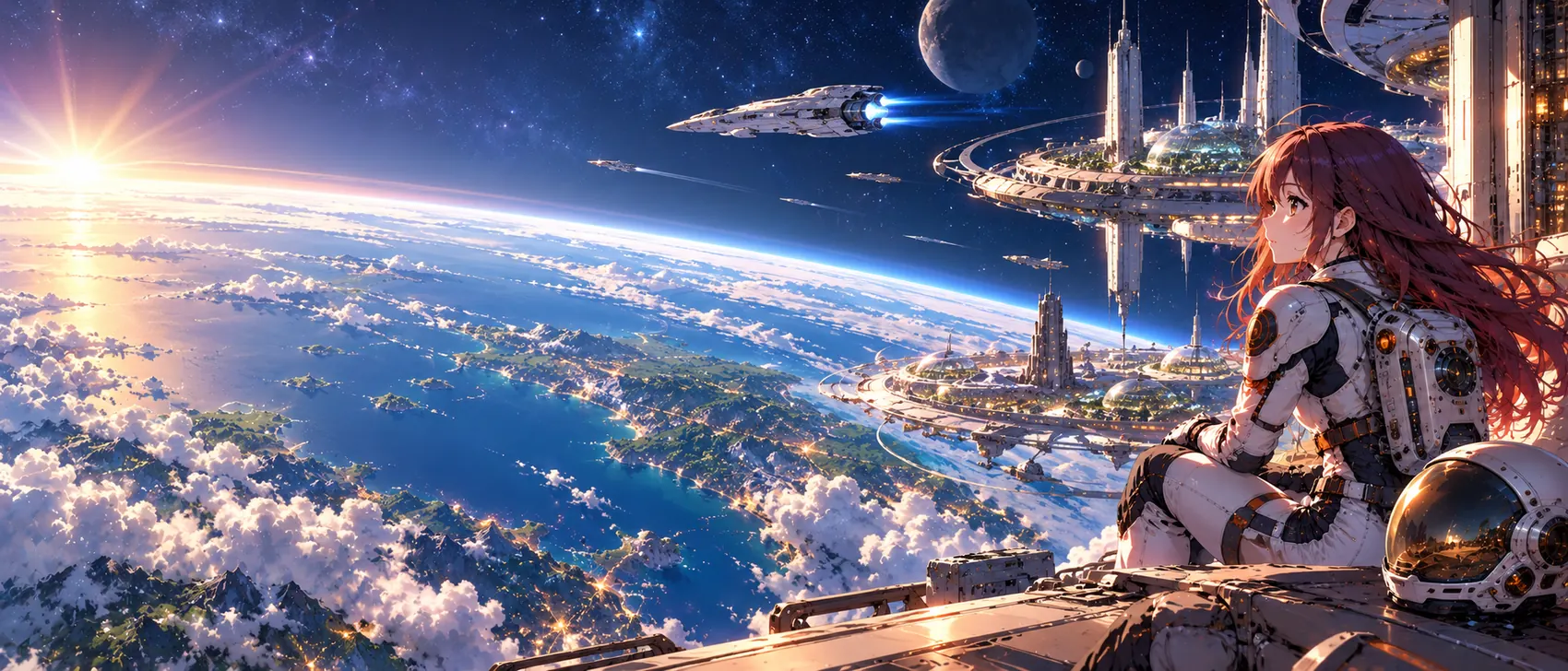
For millions of years, planet Earth has served as humanity's cradle. It provided the ideal atmospheric balance, abundant resources, and biological diversity necessary for our ancestors to evolve from nomadic foragers into a globally interconnected civilization. Yet, cradles are designed to be outgrown. As our technological capabilities advance alongside escalating environmental and existential vulnerabilities, the imperative to expand beyond our home planet has transformed from science fiction into a pressing biological and civilizational necessity.
To ensure long-term survival, secure resources, and drive economic and scientific innovation, humanity must establish a permanent presence beyond Earth in the near future.
The fundamental argument for expanding into space is biological self-preservation. Earth is a vibrant oasis, but it is also a target in a cosmic shooting gallery. Throughout geological history, mass extinction events—such as the asteroid impact that ended the age of the dinosaurs 66 million years ago—have repeatedly reset the biological clock. Astrophysicists confirm that it is not a matter of if another major impact will occur, but when.
Beyond celestial threats, humanity faces self-inflicted existential risks. The accumulation of nuclear arsenals, runaway climate change, engineered pandemics, and uncontrolled technological disruptions present catastrophic threats to global stability.
By remaining a single-planet species, humanity concentrates all its metaphorical eggs in one fragile basket. Establishing self-sustaining colonies on the Moon, Mars, and orbital habitats acts as a ultimate insurance policy. If a catastrophe renders Earth uninhabitable, the flame of human consciousness, culture, and history can continue elsewhere.
Resource Depletion and Ecological Healing
Earth's biosphere is operating at a severe deficit. The global industrial economy consumes finite resources—such as rare earth elements, fresh water, topsoil, and fossil fuels—at rates far exceeding natural replenishment. Strip mining, deforestation, and heavy manufacturing have disrupted ecosystems, polluted oceans, and accelerated climate instability.
Escaping Earth’s surface economically allows us to transition dirty, resource-intensive industries off-world:
- Asteroid Mining: A single metallic asteroid can contain more platinum, nickel, and iron than has ever been mined in human history. Harvesting resources from space removes the need for toxic mining operations on Earth.
- Space-Based Solar Power: Satellites collecting solar energy in orbit can beam clean, continuous power down to Earth 24 hours a day, unaffected by night cycles or weather patterns.